Anaglyph Stereo
2014
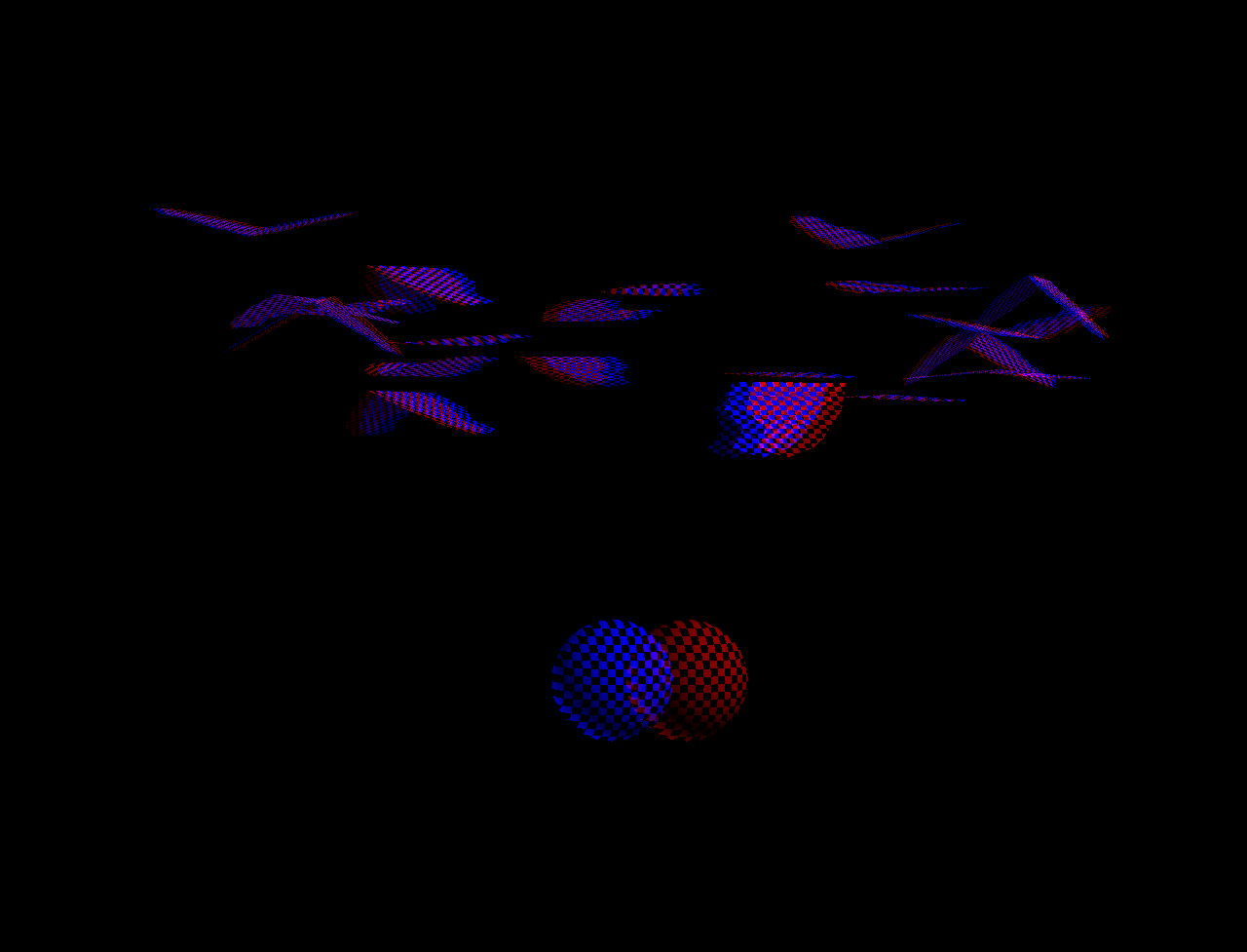
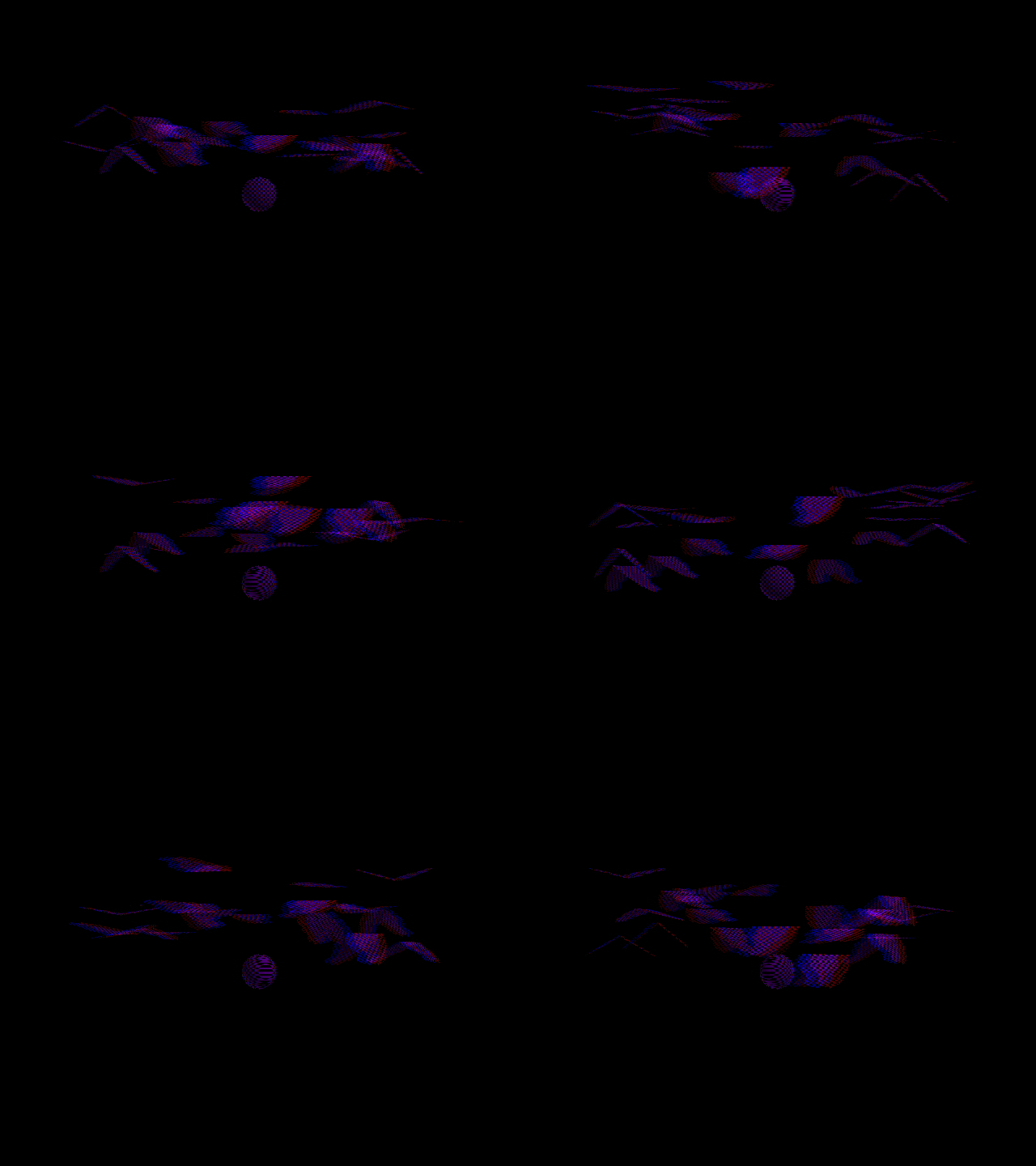
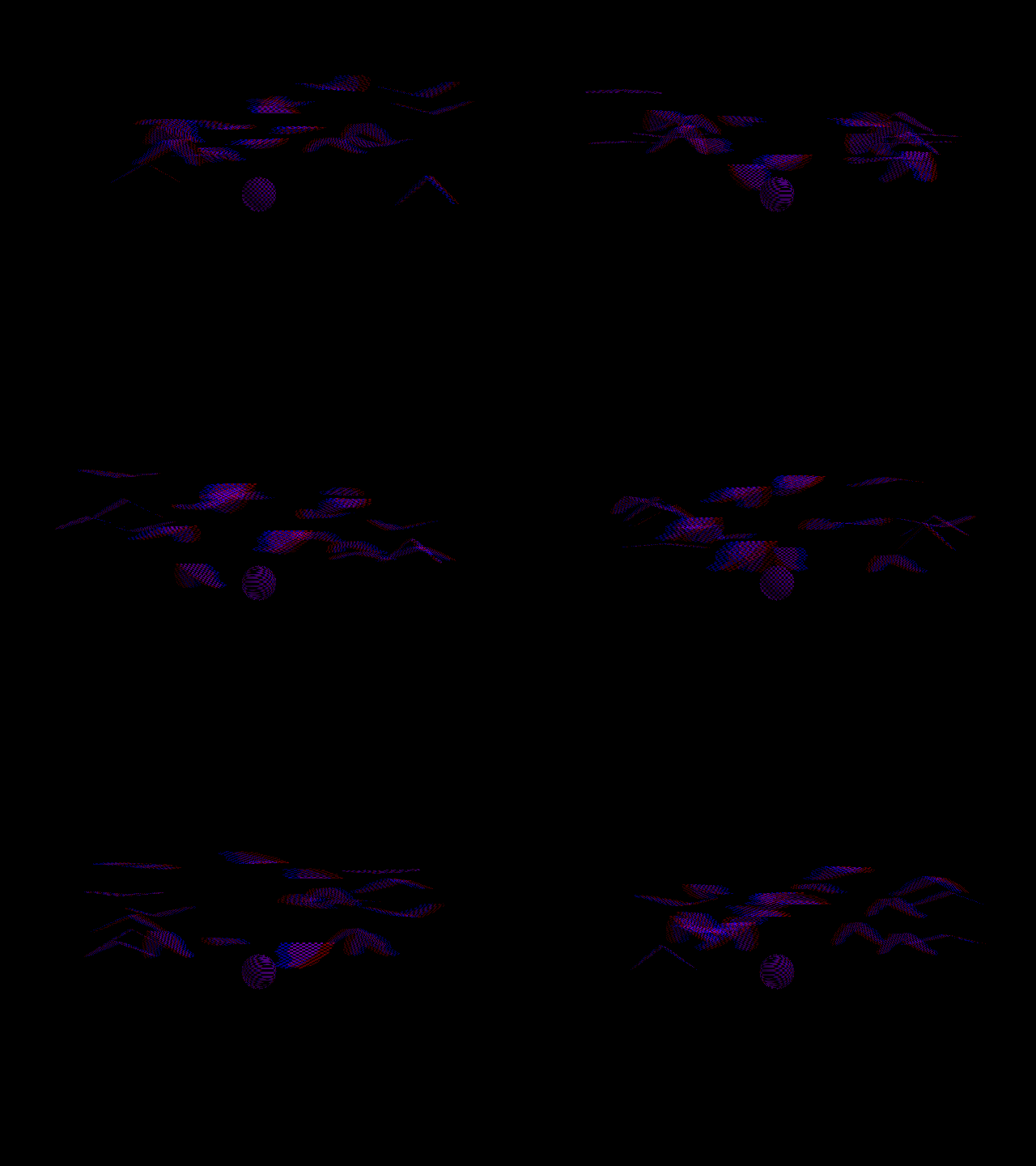
In 2011 I found anaglyph stereo to be the easiest way to get started with 3D depth imaging. At the time this was the cheapest alternative to Nvidia 3D Vision that I could think of. The idea was to replace most of the setup with that gear if sufficiently interesting results were reached. Unfortunately the project ended up on a three year hiatus for some reason.
Nowadays technology like the Oculus Rift is available. However; with this solution an object can be augmented into a real interactive view rather than presented in a virtual scene.
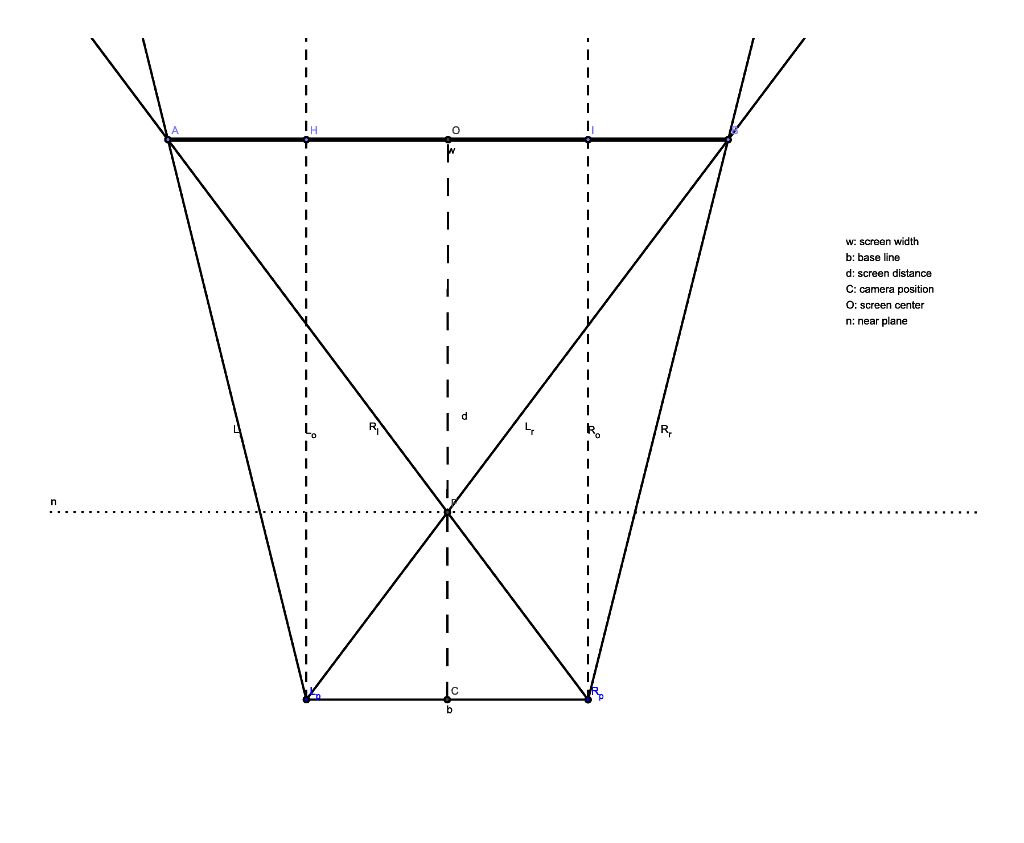
I tried to build the geometry to achieve a realistic perception of an object in 3D space rather than providing the most pleasing visual experience. All required parameters in the model are found through calibration so that no values of actual screen size and eye distance need to be entered by the user manually. It allows for objects on both sides of the screen which acts as the "window" into the virtual space.
Color calibration is performed to maximize the intensity of each channel while avoiding ghosting and keeping the intensity level balanced for both channels. Color calibration makes use of the HSV color model. First the full hue spectrum is displayed under full saturation and highest value to distinguish the left and the right channel as much as possible. As a second step the (maximum) value is set for each channel separately to maximize intensity individually while avoiding ghosting. Finally both colors are displayed to balance intensity by dampening one of the two colors.